Can an Inflatable Stand Up Paddle Board Win Races?
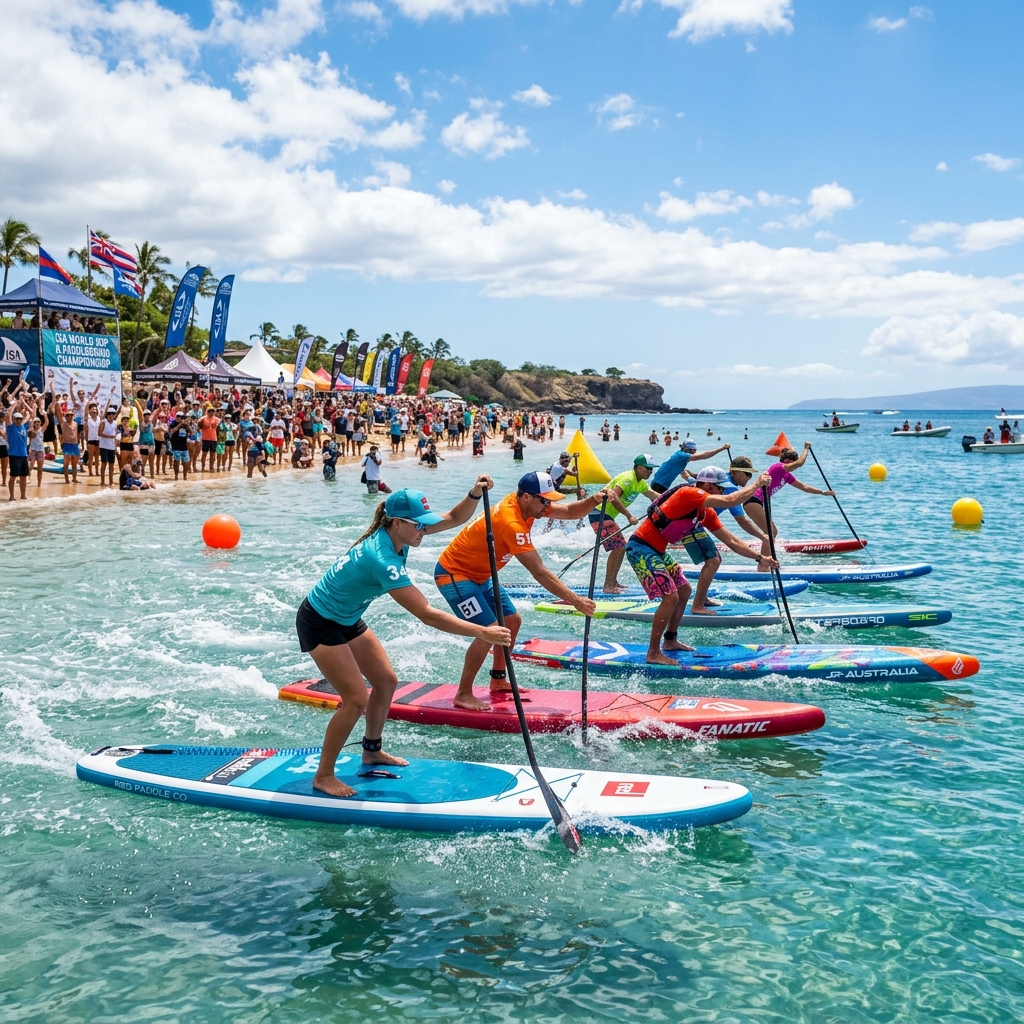
Stand-up paddleboarding has transitioned from a casual beach activity to a highly competitive endurance sport. As race categories expand across the globe, the inflatable stand up paddle board has transcended its recreational roots to become a serious contender. Today, these portable options challenge traditional hard boards with unique advantages and advanced engineering. These modern vessels merge essential travel convenience with impressive hydrodynamics, allowing intermediate to advanced riders to compete effectively on a global scale.
The Evolution of Race-Ready Construction
Early inflatables earned a reputation for being sluggish and flexible. However, modern construction has completely rewritten the script. Using advanced woven drop-stitch technology and carbon fiber stiffening battens, today’s inflatable stand up paddle board provides exceptional rigidity. These materials minimize flex, translating paddle strokes directly into forward momentum rather than bending the deck.
Performance Metrics: Inflatables vs. Hard Boards
Speed and Glide
While hard boards historically dominated long-distance glide, high-tension inflatables are quickly closing the performance gap. New carbon-reinforced stringers help maintain the board’s specific rocker profile, ensuring efficient water displacement across flatwater circuits.
Stability in the Chop
Racing often involves unpredictable ocean swells or dynamic river currents. An inflatable stand up paddle board provides a slightly softer deck that naturally absorbs micro-vibrations from the water. This unique stability profile keeps racers balanced when surface conditions degrade.
Maneuverability
With rubberized speed-tail releases and universal US fin boxes, competitive inflatables now execute tight buoy turns. They offer a sharp, responsive feel that rivals custom epoxy race shapes.
Why Athletes Choose Inflatables
Logistics heavily influence race day success and stress levels. Traveling globally with a 14-foot carbon fiber board is expensive and risky. In contrast, an inflatable stand up paddle board packs securely into a travel bag, bypassing heavy oversized baggage fees. Furthermore, the ding-resistant nature of PVC saves athletes from costly repairs after navigating crowded starting lines. Inflatables also offer a much more cost-effective entry point for amateurs stepping up to elite competition levels.
Technique Tweaks for Air Boards
Training on an inflatable stand up paddle board requires minor technique adjustments. Because inflatables have a slightly different flex pattern, athletes must focus on smooth, consistent paddle strokes rather than sudden, explosive power. Engaging the core helps absorb any minimal bounce, transferring maximum energy into forward momentum. Racers also benefit from practicing their buoy turns extensively, as the thicker rails require slightly wider foot placement for optimal pivot control.
The Future of iSUP Competitions
Major events, like the Alpine Lakes Tour and USA SUP sanctioned races, now feature dedicated inflatable categories. This shift signals a broader acceptance of the inflatable stand up paddle board in professional sports. As material science continues to advance, these versatile boards will only become faster, lighter, and more dominant on the start line. Ultimately, they make the competitive paddleboarding scene far more accessible for the next generation of endurance racers.

How to Build Your College Baseball Target List

Sustainable Weed Packaging: How to Go Green Without Compromising Quality

Appealing Businesses is Ensured with Electric Signs Salt Lake City
About Author
